The Appeal Process
How the Partner Visa ART Appeal Process Works
Partner Visa Appeal is an Australian migration law firm acting nationally for holders and sponsors of refused or cancelled partner visas (subclasses 820, 801, 309, and 100). This page sets out the partner visa ART appeal process in full: which decisions the Tribunal can review, who has standing to apply, the fee, how a hearing typically proceeds, and the four outcomes the Tribunal can reach.
An ART appeal is a formal legal process, not an informal request for reconsideration. It is governed by the Migration Act 1958 and the Administrative Review Tribunal Act 2024, subject to a strict filing deadline, a government fee, and a defined set of outcomes.

Which Decisions the Tribunal Can Review, and Who Has Standing
| Decision | Who can apply | Note |
|---|---|---|
| Subclass 820 refusal (onshore) | The visa applicant | Standard standing to apply for review |
| Subclass 820/801 cancellation | The visa holder | Cancellation decisions carry their own review rights and deadlines |
| Subclass 309 refusal (offshore) | The sponsor only | The offshore applicant does not hold standing; only the sponsor may apply for review |
| Subclass 100/801 offshore-linked permanent-stage refusal | The visa applicant, in narrow circumstances | Under section 338(7A), the applicant may apply directly only if physically in the migration zone both when the decision was made and when the review application is lodged |
Standing to apply is set out in the Migration Act 1958, sections 338 and 347A, and differs by visa subclass and decision type. Confirm your own standing before relying on this summary. See Onshore vs Offshore Appeal for the full standing rules by subclass.
The Process, Step by Step
| Stage | What happens |
|---|---|
| Lodge | The application for review is filed with the Tribunal within the applicable statutory deadline, together with the review fee. |
| Case management | The Tribunal manages the matter toward hearing, which may include directions for evidence and submissions. |
| Hearing | The applicant, and any witnesses, give evidence before the Tribunal, which considers the case afresh on its merits. |
| Decision | The Tribunal issues one of four possible outcomes, addressed below. |
The Application Fee
Lodging an ART application requires payment of a government fee. Fee amounts are set by the Tribunal and change from time to time, so this page does not quote a static figure; current fees should be confirmed directly with the Administrative Review Tribunal at the time of lodgement. In some circumstances a reduced fee may apply. See Partner Visa Appeal Fees & Costs for a full breakdown.

How a Hearing Typically Proceeds
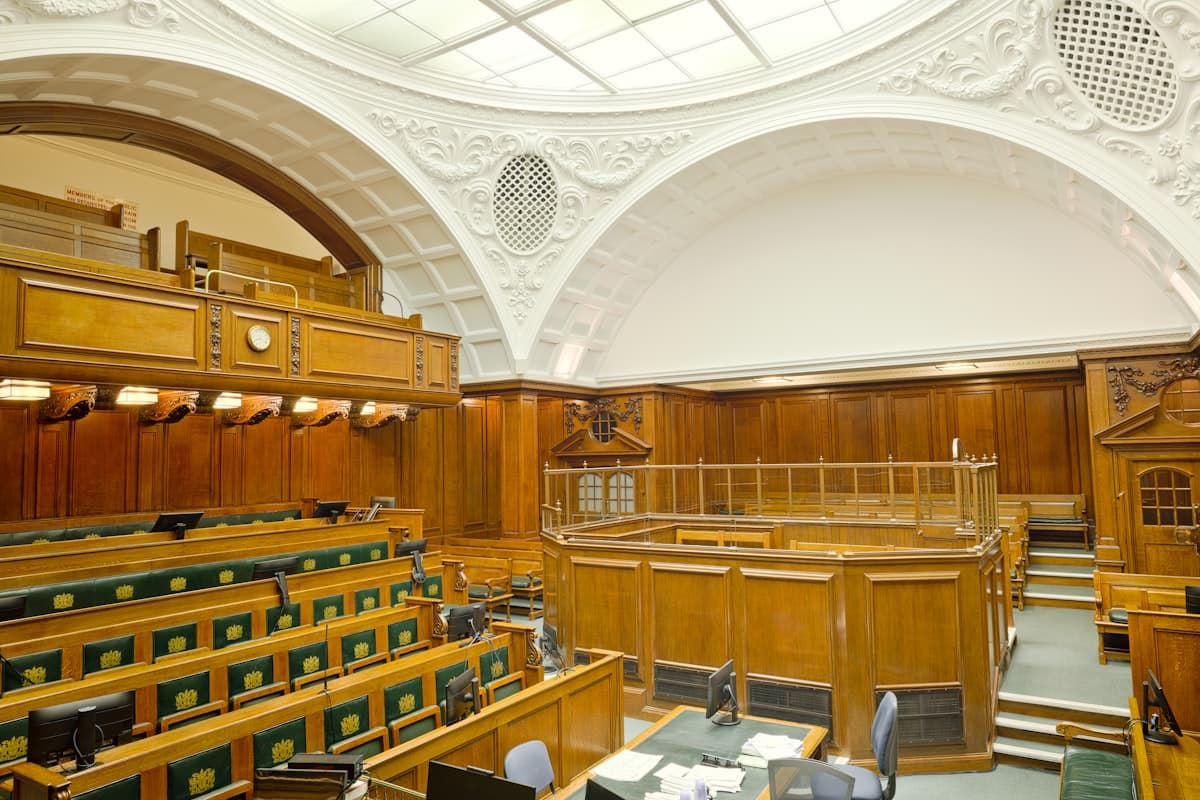
At the hearing, the Tribunal considers the evidence and submissions before it and reconsiders the decision on its merits, rather than simply checking whether the original decision was made correctly. Applicants are generally given the opportunity to give evidence and respond to any concerns the Tribunal raises. Preparation, including the evidence submitted beforehand, has a direct bearing on how the hearing proceeds.
The Four Possible Outcomes
| Outcome | What it means | Next step |
|---|---|---|
| Affirm | The Tribunal agrees with the original decision, which stands unchanged. | Further options, such as judicial review, may be available and carry their own deadlines. |
| Vary | The Tribunal changes part of the original decision. | The varied decision takes effect as issued by the Tribunal. |
| Set aside and substitute | The Tribunal overturns the original decision and replaces it with a new decision. | The substituted decision takes effect in place of the original. |
| Set aside and remit | The Tribunal overturns the original decision and sends the matter back to the original decision maker. | The decision maker reconsiders the matter, generally applying any directions the Tribunal has given. |
These four outcome categories are drawn from section 105 of the Administrative Review Tribunal Act 2024 and are summarised here in plain language rather than quoted verbatim.
Questions We Are Often Asked
What should you actually do right now?
Start with a confidential case assessment so you understand your options before any deadline passes.
Disclaimer
This page provides general information about the partner visa ART appeal process. It is not legal advice. Every case turns on its own facts, and standing, deadlines, fees and outcomes depend on your specific visa subclass and circumstances.