Why It Was Refused
Partner Visa Genuine Relationship Evidence: The Four Factors the Tribunal Weighs
When a partner visa is refused because the decision maker was not satisfied that the relationship is genuine, an ART review turns on the same four-factor test set out in the Migration Regulations: financial aspects, the nature of the household, social aspects, and the nature of the commitment.
We are an independent Australian migration law firm that works exclusively on ART review applications for refused or cancelled Partner visas (subclasses 820, 801, 309, and 100). Insufficient reg 1.15A or reg 1.09A evidence is, in our experience, one of the most common grounds on which a partner visa is refused.

The four-factor test, in brief
Under regulation 1.15A of the Migration Regulations 1994 (for spouse relationships) and regulation 1.09A (for de facto relationships), the same four-factor framework applies. The decision maker, and later the Tribunal on review, generally considers all four factors together rather than treating any single factor as decisive on its own.
| Factor (reg 1.15A / reg 1.09A) | What it goes to | Example categories of evidence |
|---|---|---|
| Financial aspects | Whether finances are shared or the couple are financially interdependent | Joint bank accounts, shared savings, joint loans or credit facilities, shared responsibility for bills or a mortgage, evidence of pooled income |
| Nature of the household | Whether the couple share a home and a domestic life | Joint lease or mortgage documents, shared utility accounts, mail addressed to both parties at the same address, evidence of how household duties are divided |
| Social aspects | Whether the relationship is presented publicly and recognised by others | Statements from friends and family, joint invitations to social events, evidence of attending events together, social media content showing the couple as a couple |
| Nature of the commitment | Whether the relationship is mutual, exclusive, and intended to be long-term | Length and history of the relationship, evidence of cohabitation over time, evidence of future plans made together, evidence the relationship continued through periods of separation (for example, travel or work postings) |
The categories in the table above are illustrative types of evidence that commonly go to each factor. They are not a mandatory checklist, and no single document is generally required or sufficient on its own. What matters is whether the evidence submitted, taken as a whole, satisfies the decision maker or the Tribunal that the relationship is genuine under all four factors.
Each factor, one at a time
Financial aspects of the relationship
The financial-aspects factor looks at the extent to which a couple's finances are shared or interdependent. This does not require a single joint account structure; it is generally assessed across whatever financial connections exist. Evidence commonly submitted under this factor includes joint bank accounts or savings accounts, joint loans or credit cards, shared responsibility for rent or a mortgage, records of shared bill payments, and evidence that income or major assets are pooled rather than kept entirely separate. Where finances are largely kept separate for a genuine personal or cultural reason, that context is generally relevant, since the Tribunal is assessing the relationship as a whole rather than requiring a single financial arrangement.
Nature of the household
The household factor looks at whether the couple share a home and a domestic life together. Evidence commonly submitted under this factor includes a joint lease or mortgage document, shared utility accounts (electricity, gas, internet), correspondence addressed to both parties at the same residential address, and a description of how domestic responsibilities are divided between the couple. Couples who have lived apart for periods, including for work, study, or family reasons, can still address this factor, since the Tribunal generally considers the household history as a whole rather than requiring uninterrupted cohabitation.
Social aspects of the relationship
The social-aspects factor looks at whether the relationship is known to, and recognised by, family, friends, and the couple's wider community. Evidence commonly submitted under this factor includes signed statements from friends and family describing their knowledge of the relationship, evidence of attending weddings, family gatherings, or other social events together, joint membership of clubs, religious organisations, or community groups, and social media content or photographs showing the couple presenting as a couple over time. Statements from third parties are generally most useful where they describe specific, personal knowledge of the relationship rather than general or repeated phrasing across multiple statements.
Nature of the commitment
The commitment factor looks at whether the relationship is mutual, exclusive, and intended to be long-term. Evidence commonly submitted under this factor includes the length and history of the relationship, evidence of cohabitation over time, evidence of plans made together for the future (such as shared financial goals, family plans, or property plans), and evidence that the relationship has continued and been maintained through periods of separation, such as travel or a work posting in a different location. This is generally the factor most closely tied to the overall narrative of the relationship, drawing together threads that also appear under the other three factors.
Why the Tribunal weighs all four factors together
Because migration (non-protection) reviews before the ART are de novo merits reviews, the Tribunal is not confined to the material the Department of Home Affairs had when it made the original decision. This means an ART review application is generally an opportunity to put forward a fuller or better-organised evidence base addressing the same four factors, not only to argue that the original decision was wrong on the material already provided. In our experience, a refusal for insufficient reg 1.15A or reg 1.09A evidence is often less about a relationship not being genuine and more about the evidence submitted not yet demonstrating that genuineness clearly enough across all four factors.
The Tribunal generally does not require equal or maximal evidence under every factor. A relationship with a comparatively thin financial history, for example, may still be found genuine where the household, social, and commitment evidence is strong. Equally, no volume of evidence under one factor generally substitutes for an absence of evidence under another; the assessment is holistic, not a points system where a high score in one column offsets a zero in another.
A specific evidentiary tool: state relationship registers
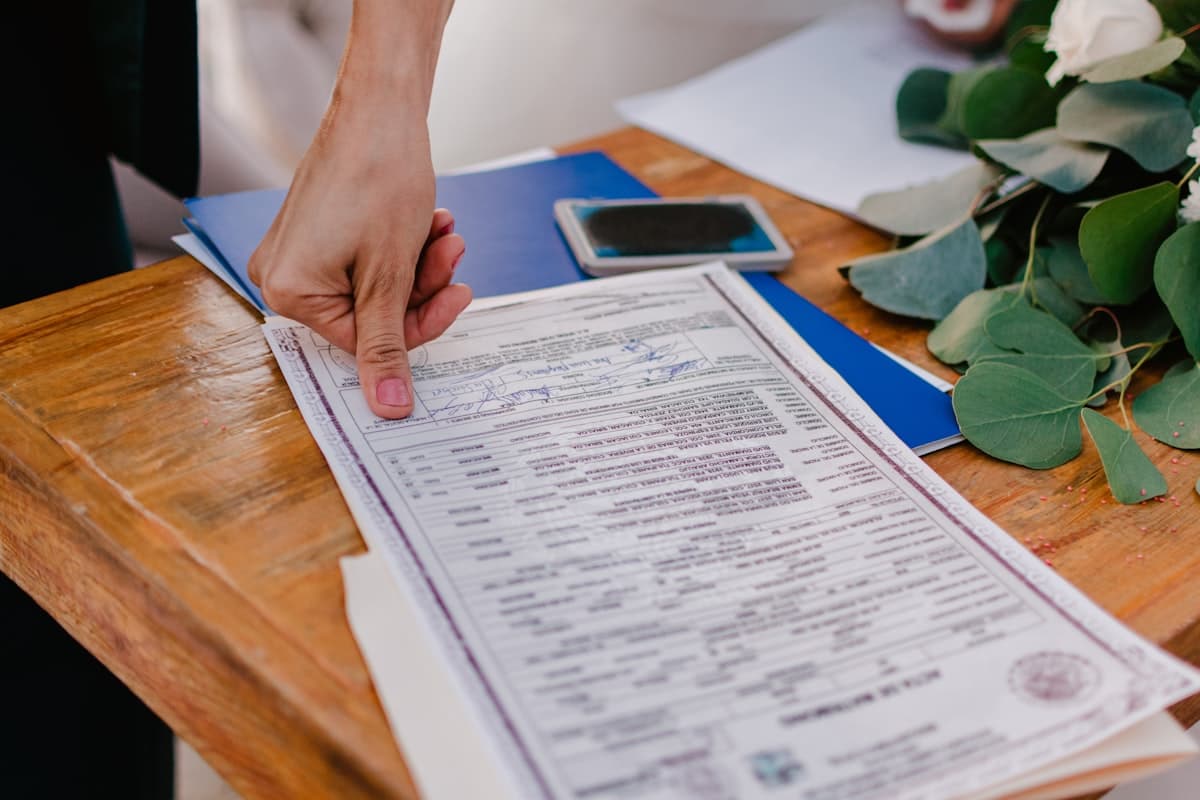
One specific evidentiary tool relevant to the household and commitment factors is formally registering the relationship, where a state or territory register is available. Several Australian states and territories operate a relationship register that can provide documentary evidence of a relationship's existence and, in some registers, its duration. Availability, the legal basis, and the practical evidentiary weight of registration differ by state and territory. Our State-by-State Relationship Registration Evidence page sets out which jurisdictions currently operate a register, the governing legislation in each, and how registration fits alongside the other categories of evidence described above.
What this generally means if your visa was refused

If your partner visa was refused on genuine-relationship grounds, the refusal decision will generally identify which of the four factors the decision maker considered was not sufficiently addressed. Reading that reasoning carefully is generally the starting point for an appeal, since it tells you which category or categories of evidence from the table above are most likely to need strengthening. In many cases, the underlying relationship facts have not changed; what changes for the review application is the depth, organisation, and clarity of the evidence presented against each of the four factors.
This is also where the distinction between an ART review application and a fresh visa application matters. A review application asks the Tribunal to look again at the same decision, generally with a more complete evidence base directed at the same four factors. It does not start a new visa application process. Our lawyers can help identify, factor by factor, where your existing evidence is strong and where additional evidence would generally be needed before your review is heard.
What happens next
Once you understand which of the four factors your refusal turned on, the next step is generally to gather the additional evidence identified above and have it reviewed before it is submitted to the Tribunal. Our process for this generally involves reviewing your refusal decision and existing evidence, identifying gaps against the four-factor framework, advising on the categories of additional evidence most likely to assist, and preparing your review application within the non-extendable lodgement deadline that applies to your matter. Every case turns on its own facts, and the specific evidence needed will differ from one relationship to another; a paid consultation with one of our lawyers is generally the appropriate next step once the free case assessment indicates your matter is within time and appears reviewable.

Frequently asked questions
Disclaimer
This page provides general information about the ART review process. It is not legal advice. Every case turns on its own facts. Book a case assessment to discuss your circumstances.
Start your free case assessment
If your partner visa was refused for insufficient genuine-relationship evidence, the most useful next step is to identify which of the four factors your evidence base needs to address before your review is heard. This screening is free, confidential, and creates no obligation.